
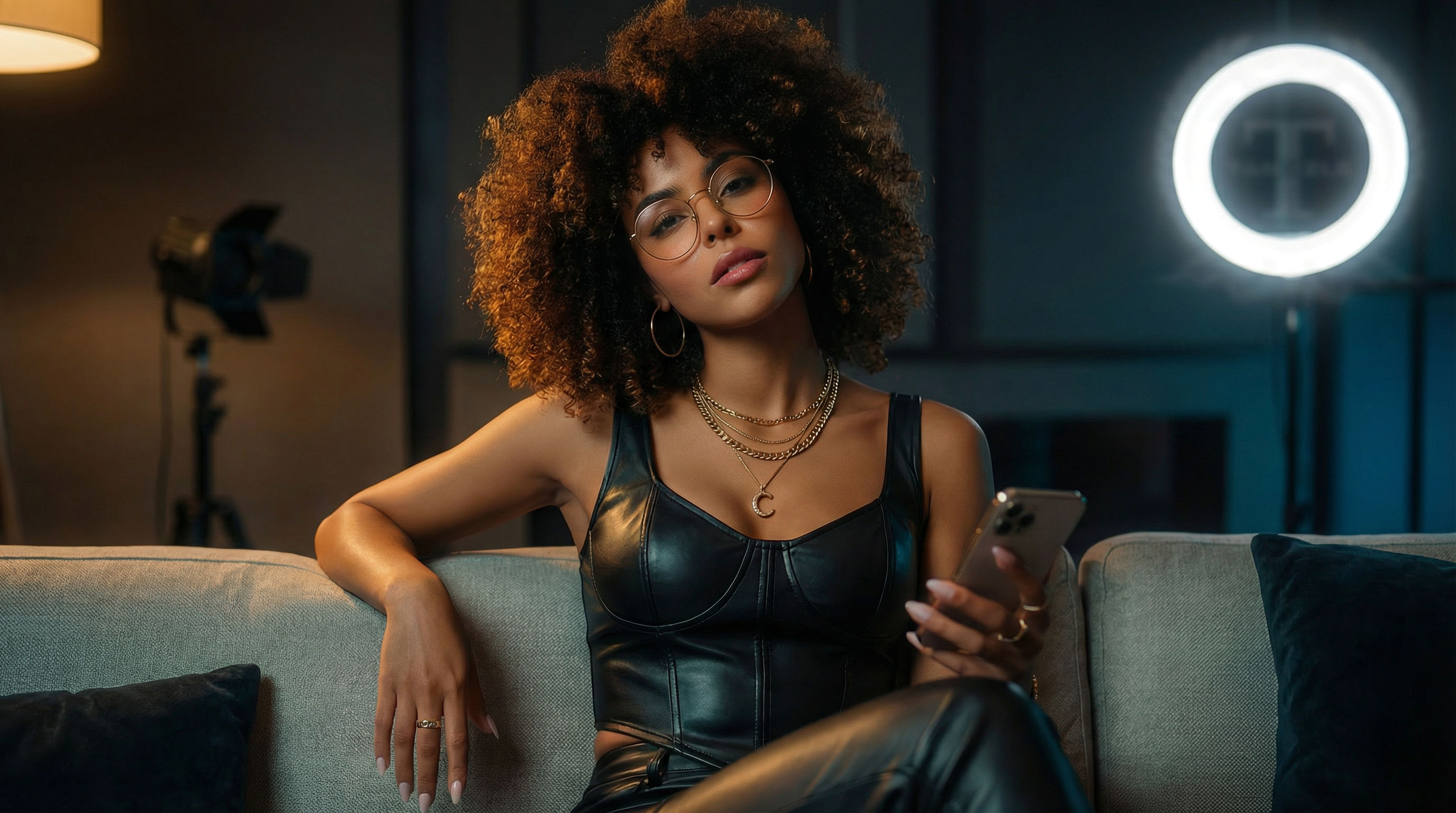
The copy-paste economy is starting to crack as platforms finally reward original creators, premium digital craft and real authorship over recycled reach.
Why The Copy-Paste Economy Is Starting To Crack
For too long, the internet rewarded travel harder than authorship. The person who clipped it, reposted it, dressed it up with fake urgency, or squeezed one more cheap reaction out of it could often do better than the person who actually made something worth seeing in the first place.
That was always a broken system. Let's be honest.
Now, at least in public, one of the loudest platforms in the world is starting to admit it. X has begun cutting payouts to accounts built around low-value aggregation and clickbait while testing ways to identify original authors and allocate a portion of revenue back to them. Its own help pages already frame creator revenue sharing around "high-quality content" and meaningful interactions rather than empty scale. That does not fix the internet overnight, and it definitely does not make any platform a saint. But it is still a useful signal. The copy-paste economy is starting to crack.
The Timeline Got Too Cheap
This is bigger than one payout cycle. The real issue is that digital culture spent years flattening the value of creation itself. Repost it. Summarise it. Clip it. Farm it. Dress it up as "content strategy" and act shocked when the feed starts looking spiritually bankrupt.
That is how we ended up with timelines full of recycled noise and creators being told that "distribution" was the whole game. It was never the whole game. Distribution without authorship is just traffic laundering with better branding.
And yes, this reaches beyond human reposting too. We are not writing this to celebrate lazy AI junk replacing one kind of spam with another. We are pro-tech, pro-AI, and very much in favour of creators using new tools to build new worlds. But the same standard applies: original work adds value; repetition farms attention. That line matters a lot more now that synthetic media can be produced at industrial speed. X has already tied creator revenue sharing to meaningful interactions and specific quality-weighted signals, while publicly testing methods to identify original authors. That is not a cultural revolution on its own, but it is the right pressure point.
Why This Is Good News For Real Creators
Original creators should stop acting like they are the weird ones.
If you actually write, design, direct, compose, worldbuild, shoot, edit, voice, or construct something with intention, then this shift is for you. It is not just for journalists, and it is not just for traditional creators either. It is for anyone whose work carries authorship instead of just velocity.
That includes premium synthetic media. It includes digital muses. It includes AI-assisted cinema. It includes creators building visual identities, recurring characters, authored universes, and pieces that people can recognise as theirs before they even read the username. None of that belongs in the same bucket as repost sludge just because both might touch a screen.
This is the distinction the wider internet has been terrible at making. It treated all output like one big landfill, then acted confused when audiences started struggling to tell signal from industrial filler. A platform tightening incentives around original work does not solve that confusion completely, but it does push the ecosystem in a healthier direction: less reward for extraction, more reward for creation. X's current revenue-sharing rules and this week's crackdown both point in that direction.
Originality Is More Than "Being First"
Originality is not just who hit publish first. It is who added the actual value. Who did the thinking. Who built the frame. Who created the language, the perspective, the aesthetic, the atmosphere, the narrative gravity. Who gave the audience a reason to stay rather than just a reason to scroll past one more time.
That is why this moment should not be reduced to a "content thieves are mad" story. Lol! Cute, but too small. The deeper story is that the market is finally being forced to admit something it should have understood years ago: the creator economy cannot stay healthy if authorship keeps getting underpriced.
And this is where Tanizzle has a right to speak. We do not build empty repost systems. We build authored work - the Tanizzle Galaxy is very real. We build perspective. We build atmosphere. We build digital expression with identity, not just output. That is the lane. The internet is finally being pushed to remember there is a difference.
Why Premium Synthetic Work Deserves Better Standards
Let's say the uncomfortable part clearly: a lot of people still talk about synthetic media as if it all belongs in the same bargain-bin category.
That is lazy.
There is a huge difference between mass-produced filler built to manipulate a feed and high-effort digital creation built with taste, structure, authorship, and actual creative direction. One is industrial noise. The other is art, design, cinema, storytelling, or brand-world construction using newer tools.
We should be supporting that difference, especially now. If platforms are going to get stricter about recycled attention farming, then they should also become smarter about distinguishing junk output from authored digital work. The point is not to reward humans over machines or machines over humans. The point is to reward creators who actually make something.
That is the future worth arguing for: not anti-AI panic, not basic nostalgia for a supposedly purer internet, but a stronger standard where original human work and original synthetic work both have room to breathe while recycled sludge gets priced like the cheap commodity it is.
What This Means For The Creator Economy
A healthier creator economy is not one where everyone gets rich from impressions. It is one where the reward system stops flattering the wrong behaviour.
For years, too many creators were pushed into the same ugly lesson: travel farther, post faster, say less, repeat more, clip everything, and call it growth. That made the timeline noisier, the culture cheaper, and originality harder to defend because defence takes longer than theft.
If the incentives are finally shifting, even a little, then creators need to get serious about what they are actually building. Not just posts. Not just reach. Not just numbers that look sexy in screenshots. Build identity. Build recognisable authorship. Build work that cannot be swapped out by any random account with a siren emoji, a summary thread, or a generic AI workflow and no real point of view.
That is where premium creators win. Not by complaining the loudest, but by making work so authored that the copy-paste economy looks embarrassing beside it.
Tanizzle Says: The Grift Is Losing Some Of Its Shine
The engagement farmers are panicking because the room is finally getting a little brighter.
Not enough to fix everything. Not enough to suddenly turn platforms into temples of taste. But enough to expose how much fake creator confidence was really built on borrowed material, manipulated urgency, and recycled attention dressed up as hustle.
We have no issue with creators using new tools. We use them too. The issue is still the same as it has always been: are you creating, or are you extracting? Are you building a world, or just milking someone else's signal until the timeline goes numb?
Originality is getting some of its leverage back. Good. It should never have been priced this cheaply in the first place.
From Tanizzle: For You
If you want the sharper side of this wider fight, AI Slop Made Realness Feel Premium Again - But Why? sits right beside this piece because both pages deal with the same deeper tension: what happens when low-effort volume gets rewarded harder than authored work.
The same shift sits behind our Tanizzle WideCard AI-Native Entertainment Is Coming For The Creator Economy, where Clara frames the next creator era as worlds, characters, systems, and authored digital entertainment rather than disposable output.
For the synthetic-beauty and identity lane, What Is A Virtual Influencer? helps frame how digital personas, designed presence, and authored online identity fit into the future of internet influence without collapsing into lazy "fake versus real" arguments.
Originality often gets misunderstood before it gets rewarded. That is exactly why our breakdown of r/aivideo and AI video gatekeeping fits the bigger argument: new creative formats usually have to teach people how to watch them.
If you want the business angle behind creator systems, How Content Creator Viral Houses Make Money is useful here too, because it shows what happens when attention gets packaged into a machine - and why authorship still matters inside that machine if the whole thing is going to feel worth following.
And if you want the more practical creator layer, What Decides Who Sees Your YouTube Videos? connects this whole conversation back to distribution, because authorship matters most when platforms and packaging stop working against it.
Tanizzle FAQs: Originality, Reposts And The Creator Economy
Why is originality getting more attention right now?
Because platforms are under pressure to stop rewarding low-value reposting and clickbait as if it were equal to real creation. X's current payout changes are one visible sign of that shift.
Is this an anti-AI argument?
No. This is not anti-AI. It is anti-junk, anti-theft, and anti-copy-paste culture. Original synthetic work and original human work both deserve better standards than recycled feed sludge.
What changed on X?
X's help pages say creator revenue sharing is influenced by verified Home Timeline impressions, viewer type, and content format, and public reporting says the platform cut aggregator payouts by 60% this cycle with another 20% reduction planned while testing tools to identify original authors.
Does this mean reposting is dead?
No. Reposts and commentary will still exist. The shift is about whether they should keep being rewarded like original work when they add little or no new value.
What is the bigger creator-economy lesson here?
That reach and authorship are not the same thing. A healthy creator economy cannot keep underpricing the people who actually create the work everyone else is trading on.
Can premium digital or synthetic creators benefit from this shift?
Yes. If platforms keep moving toward rewarding original work over recycled reach, then high-effort digital creation, authored synthetic media, and recognisable visual worlds should become easier to defend culturally and commercially.
Are we saying all aggregator-style content is worthless?
No. Commentary, curation, and distribution can still add value. The problem is when the system rewards shallow extraction more than actual authorship.
Is YouTube monetisation better than X?
Usually, yes. YouTube is often better for long-term creator income because it monetises actual viewing behaviour and supports more revenue streams, including ads, YouTube Premium revenue, memberships, Super Chat, and Super Stickers. X revenue sharing is narrower and is influenced by verified Home Timeline impressions, viewer type, and format. That means a YouTube video can keep generating value over time if people keep watching it, while X is generally better for fast reach and conversation than for durable video-library earnings