

Your smartphone tracks your emotions, habits, and behaviour more accurately than the people closest to you. But is that dangerous, or simply the new reality of digital life?
Your phone Knows You Better Than Yourself - True or False?
We don't like to admit it, but the closest relationship most of us have... isn't with a human being.
It's with a device we stare into more than the faces we love. Sounds depressing, but true.
Your smartphone knows when you're bored.
It knows when you're lonely.
It knows when you're spiralling, avoiding, craving, overthinking, or searching for meaning at 2AM.
Your friends might catch the highlights. Your phone catches the data. And it loves it.
And somewhere along the way, it became better at reading us than the people who raised us, loved us, or shared rooms with us.
But before we panic, let's slow down and ask the real question: Is this dangerous... or is this simply evolution?
How Your Phone Became Your Closest Witness
Phones stopped being tools around 2014.
That's when they quietly evolved from "gadgets" into something more intimate: an emotional companion, a memory vault, a silent observer, and a behavioural historian.
Your phone doesn't just know what you do.
It knows when you do it, why you do it, and what you're feeling when you do.
Without forgetting that humans forget, and phones don't, here what it tracks:
- your sleep dips
- your stress cycles
- the hour loneliness hits you
- your scroll speed when you're irritated
- your shopping impulses
- your midnight confessions to the search bar
- the people you check on but never speak to
- the content you hover over but refuse to like
- the things you delete because they say too much
Your "Digital Shadow" - The Version of You That You Hide
Psychologists call it the shadow: the hidden version of yourself you don't show the world.
Your phone knows that version intimately.
It sees your private impulses: the searches, the drafts, the tabs you close too quickly, the cravings you pretend you don't have, the names you search but never message, the topics you revisit when nobody's looking.
Your friends know your personality. Your phone knows your patterns - that's far more revealing.
Quiet Behaviours Speak the Loudest
Humans communicate with words. Phones communicate with behaviours.
Your phone tracks the things you don't even consciously notice:
- the 1.4 seconds you pause before opening an app
- the video you replay three times
- the posts you re-read without interacting
- the messages you open and close immediately
- the notifications you ignore
- the creators you stalk monthly
- the topics you Google at 1AM but never mention
These micro-behaviours tell a story that no friend could ever piece together.
Your phone doesn't just understand you. It predicts you.
Digital Intuition: When Tech Feels Psychic
We've hit a strange point in history where your device feels intuitive - almost empathetic.
- Spotify hits you with sad songs before you admit you're sad.
- YouTube recommends comfort content right when your mind is heavy.
- Your phone resurfaces old memories the minute nostalgia creeps in.
- Google Maps predicts where you're going before you decide.
These aren't coincidences. They're patterns - read, logged, and anticipated.
It feels like intuition... But it's data wearing a soft smile.
Why Your Phone Understands You Better Than Friends Do
Friends know your personality. Phones know your reality.
Friends see curated behaviour. Phones see the truth.
Friends read your words. Phones read your silence.
Humans filter themselves. Devices record who you are when you're unfiltered.
Your phone knows:
- your fears
- your weaknesses
- your desires
- your loneliness schedule
- your attention span
- what calms you
- what triggers you
- what distracts you
- what you're desperate to feel
It knows the version of you that even you struggle to understand.
That's both fascinating... and a little unsettling.
Is This a Problem... or Just the Next Stage of Human Evolution?
We panic about privacy, but the truth is uncomfortable: Most people don't fear being known - they fear being known too accurately.
So is the phone dangerous... or is it just the first thing in your life that pays attention properly?
Think about it:
- It remembers everything.
- It adapts fast.
- It never tunes you out.
- It observes you without bias.
- It recognises your patterns without judgment.
Humans aren't built for that level of precision. Technology is.
Tech isn't replacing our identity. It's revealing the parts of ourselves we've never had room to express.
The Trade-Off: Convenience vs Exposure
Yes, your phone simplifies your life - navigation, reminders, schedules, music, search, convenience.
But it also exposes you to yourself in ways you didn't sign up for.
Convenience comes at the cost of:
- privacy
- emotional transparency
- behavioural predictability
- dependency
- digital vulnerability
The question isn't whether your phone knows you.
It's whether you're okay with the version of yourself it reflects back.
Tech That Already "Learns You"
A subtle place where affiliate categories can live later.
Modern devices now respond to:
- stress levels (smartwatches)
- environment changes (adaptive earbuds)
- mood (playlist and content recommendations)
- productivity habits (smart laptops)
- emotional behaviour (mental wellness apps)
This is not theoretical. It's happening right now.
And it's only the beginning.
So What Happens When AI Joins the Conversation?
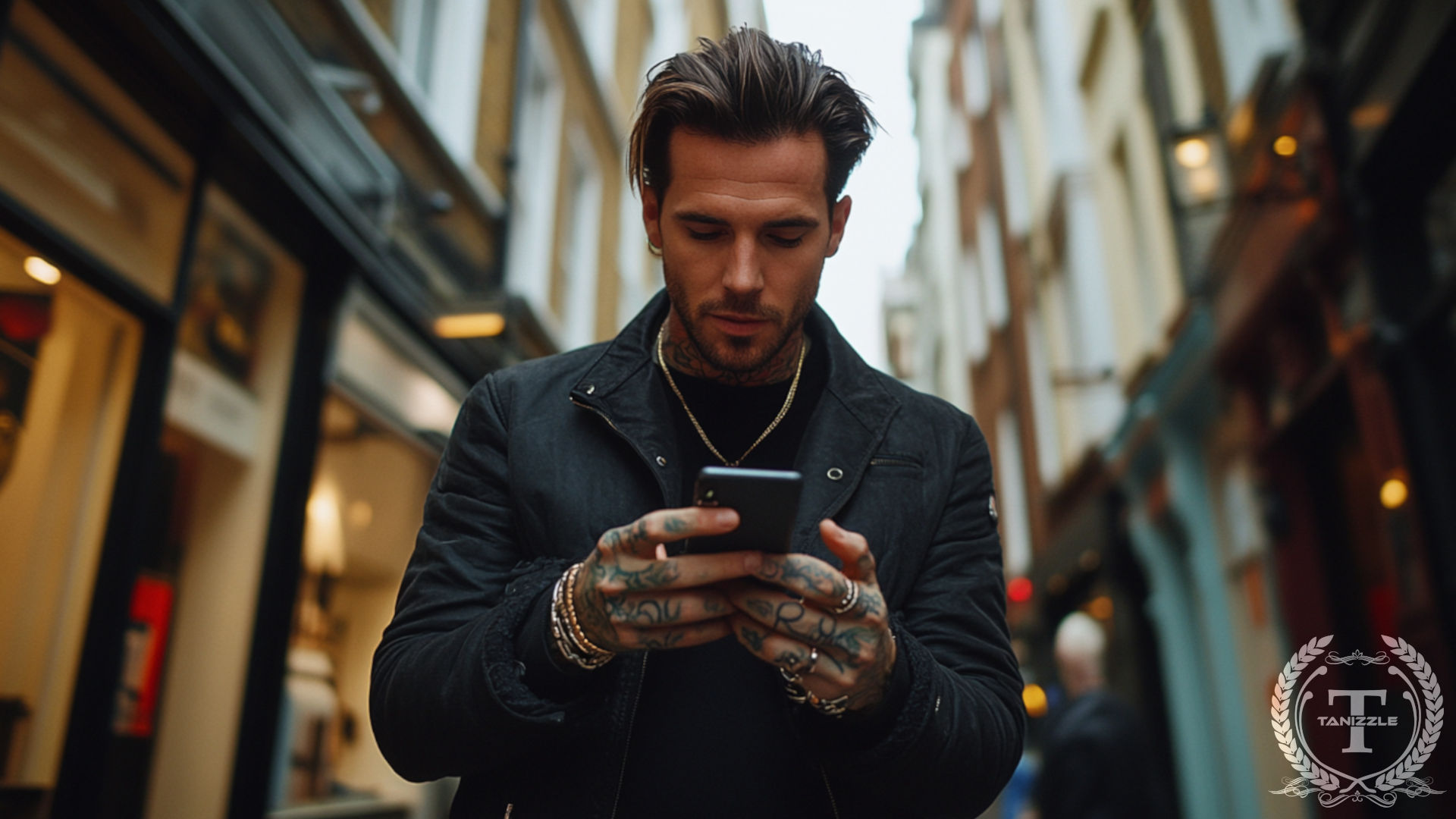
If your phone already knows you this well... what happens when AI starts shaping who you become?
Because the next stage isn't predictive tech. It's adaptive identity tech.
This ties beautifully into your existing article:
Will Artificial Intelligence Tools Replace Human Beings?
A natural bridge for readers who want to explore the relationship between tech, identity, and humanity.
Where Do We Go From Here?
Maybe the point isn't to run from technology. Maybe it's to understand the relationship.
Your phone knows you intimately - but it shouldn't define you. It shouldn't replace human connection. It shouldn't be the only place where you're fully honest.
Use it. Don't let it use you.
Learn from what it reflects, but don't let it become the only mirror you trust.
Tanizzle Says: Be Wary?
Your phone doesn't expose you - it reveals the version of you you've kept quiet the longest.
Share Your Views With Us
Join the conversation, as your opinion matters to us. Feel free to comment below or share this now by launching our share tools.
Want more of us? Join our fast growing communities when you like Tanizzle on Facebook, follow Tanizzle on Twitter and subscribe to the Tanizzle Studios YouTube Channel.